
11 January 2026
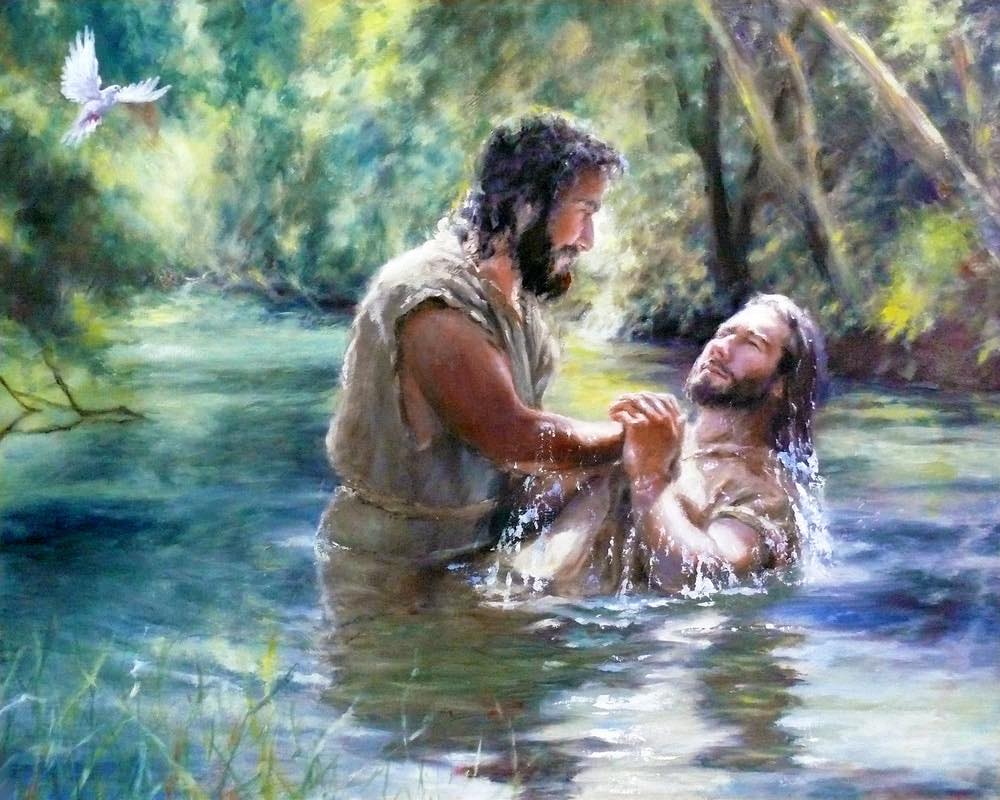
Dear friends in Christ, as we gather today, we bring the joyous Christmas season to a close with the feast of the Baptism of the Lord. This celebration marks the culmination of God’s self-revelation through Jesus. While Christmas reveals God to the Jews and Epiphany to the Gentiles, today’s feast shows Christ manifesting Himself to repentant sinners at the Jordan River. It’s a profound moment, described in all four Gospels, where the Holy Trinity is publicly revealed for the first time: the Father speaks from heaven, the Son stands in the waters, and the Holy Spirit descends like a dove. This event launches Jesus’ public ministry, inviting us to reflect on our own baptism and its call to holiness and mission.
In today’s first reading from Isaiah, we hear echoes of God’s delight in His chosen one: “Here is my servant whom I uphold, my chosen one with whom I am pleased.” These words foreshadow the voice from heaven at Jesus’ baptism: “This is my beloved Son, with whom I am well pleased.” In the second reading, St. Peter reminds us that Jesus was anointed “with the Holy Spirit and power,” inaugurating His ministry of healing and liberation. And in the Gospel, we witness John baptizing Jesus, not because He needed repentance—He who is sinless—but as a pivotal turning point, sanctifying the waters and beginning His work of salvation.
Baptism, as we know, wasn’t invented by John or Jesus. It drew from ancient Jewish rituals, like the mikveh, a bath for spiritual cleansing used weekly by men, monthly by women, and required for converts. John adapted it as preparation for the Messiah, a “baptism of repentance.” But Jesus transformed it forever. By entering those waters, He fused His divine essence with the ritual, making it the sacrament we receive today—the gateway to our life of faith.
So, what makes Jesus’ baptism different from ours? First and foremost, Jesus is the sinless Son of God. He didn’t need repentance or forgiveness; His baptism wasn’t about washing away personal sin but about identifying with us sinners. As the Church Fathers teach, He allowed Himself to be numbered among us, foreshadowing His ultimate “baptism” on the cross, where He would die for our sins. In humility, He submitted to John’s baptism to please His Father and begin His mission as the suffering Servant foretold in Isaiah. Unlike ours, His baptism revealed the Trinity publicly and marked the official declaration of His identity as God’s Son. Moreover, Jesus’ immersion sanctified the waters themselves. He made the water holy, so that when we are baptized, we are plunged into waters made sacred by His presence, drawing us into divine life.
Yet, there are beautiful similarities between Jesus’ baptism and ours. Both involve a profound encounter with the Holy Spirit. At the Jordan, the Spirit descended on Jesus, empowering Him to preach the Good News, heal the sick, and confront evil. In our baptism, we too are anointed with the Holy Spirit, sealed as God’s children, and empowered to proclaim the Gospel in our daily lives. Just as the Father’s voice affirmed Jesus’ authority to begin His public ministry, our baptism commissions us with authority from God to live as witnesses. We are called to holiness—not a distant, abstract ideal, but a lived reality. Baptism is about holiness: through those holy waters, we are cleansed, adopted into God’s family, and invited to grow in virtue and grace.
Jesus’ baptism reminds us that true holiness comes from surrender to the Father. He who is holy made the waters a font of holiness for us, so we might become holy as He is holy. Empowered by the same Spirit, we are sent to preach—not necessarily from pulpits, but through our words, actions, and love. And like Jesus, we receive authority from the Father to embark on our mission: to bring light to the darkness, hope to the despairing, and justice to the oppressed.
This feast resonates deeply with our Archdiocesan theme: “Gabos Kaayon, Gabos may Gibuhon”—all are one, all have a role to play. Baptism unites us as one body in Christ, reminding us that our mission comes from God Himself. No one is exempt; every baptized person has a unique part in building God’s kingdom. Whether in our families, workplaces, or communities, we are called to live out this mission together, empowered by the Spirit, holy through the waters, and authorized by the Father.
Why did Jesus wait thirty years before beginning His ministry? Perhaps to show us that God’s timing is perfect, and that preparation—through prayer, obedience, and humility—is essential. He might have been waiting for this opportune moment, just as we sometimes wait for the right time to respond to our calling. But once baptized, there’s no turning back. Jesus stepped into the public eye, facing trials and triumphs. So must we.
Brothers and sisters, as we renew our baptismal promises today, let us ask: How am I living my mission? Am I allowing the Holy Spirit to empower my words and deeds? Am I pursuing holiness through the sacraments and daily prayer? Remember, baptism isn’t a one-time event; it’s a lifelong journey. Jesus’ baptism calls us to dive deeper into God’s love, to sanctify our world as He sanctified the waters.
May the grace of this feast strengthen us to live as beloved sons and daughters of God.